See answers to common EV questions, tax incentives, charging maps & more.
Explore EV19 - 22
228 - 308
9 speed, Automatic
Gas V6, Turbocharged Gas I4
All Wheel Drive, Front Wheel Drive
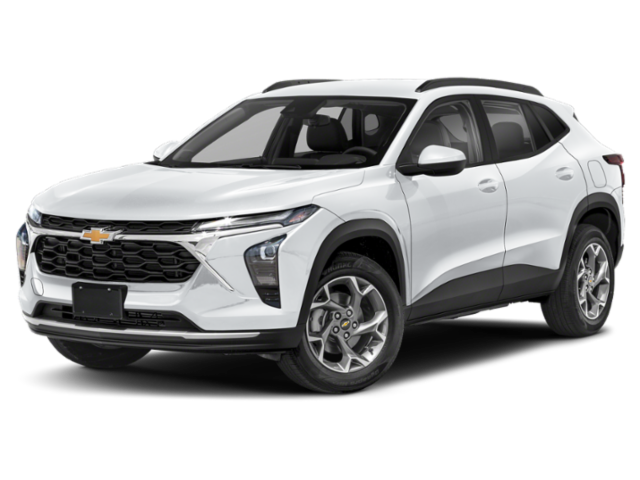
While it isn’t the most popular midsize SUV, JD Power research shows that consumers really like the Chevrolet Blazer. A spacious, comfy, and stylish two-row machine, the Blazer has ranked among the top three models in its segment in the JD Power U.S. Automotive Performance, Execution and Layout (APEAL) Study every year since 2019 and topped the study’s midsize SUV rankings in four of those years. Chevy has since introduced a smaller Trailblazer (in 2021) and a fully electric Blazer EV (2024), but this review focuses on the gas-powered version.

Photo: Alex Kwanten
Highlights of the changes to the Blazer from 2020-2024 include:
Now five years old, the Blazer’s updates have helped keep up with the competition, but it’s starting to feel dated.
Chevrolet has kept the Blazer lineup steady since 2022. The base model 2LT comes only with the turbocharged 2.0-liter four-cylinder engine, while buyers can get the mid-range 3LT and top Premier trim with the four-cylinder or the V6. The performance-oriented RS is V6-only. All are available with front- or all-wheel drive (AWD).
Previously, JD Power reviewed the 2019 Chevrolet Blazer. This review focuses on the Blazer’s most substantial updates since then and how they potentially impact its overall consumer appeal.

Photo: Alex Kwanten
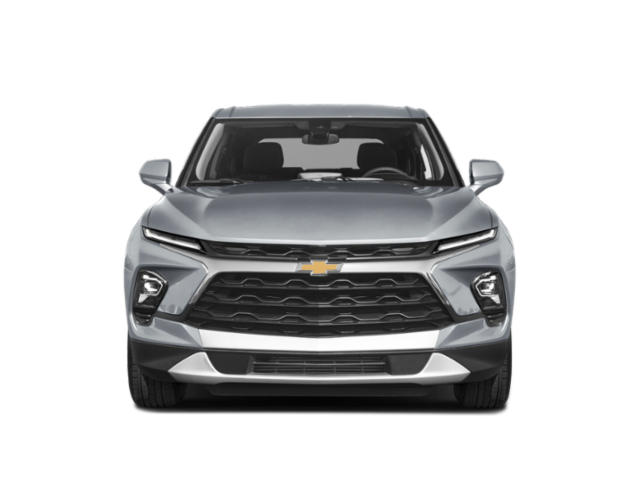
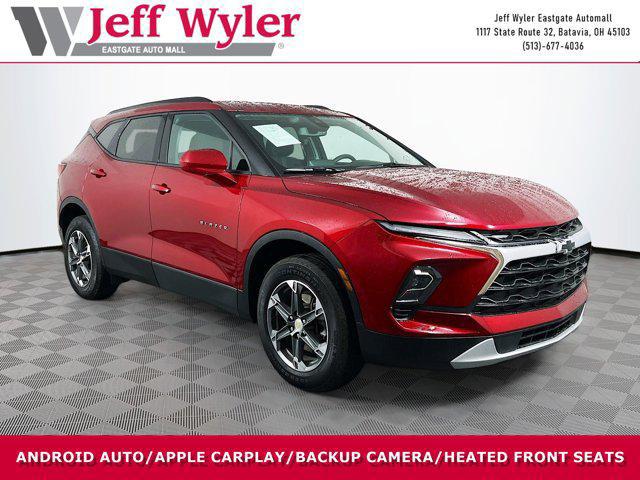
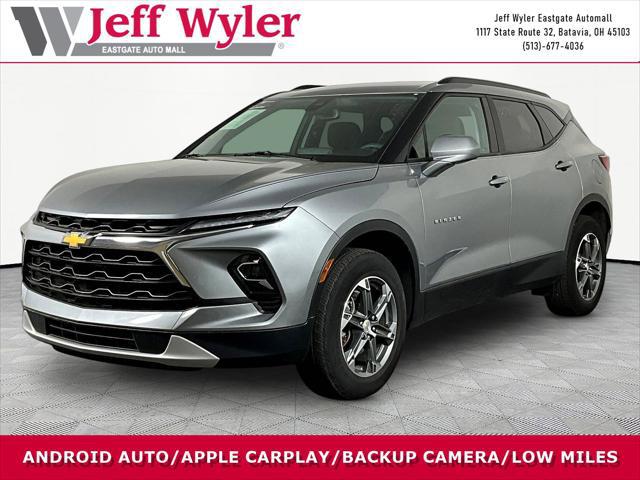
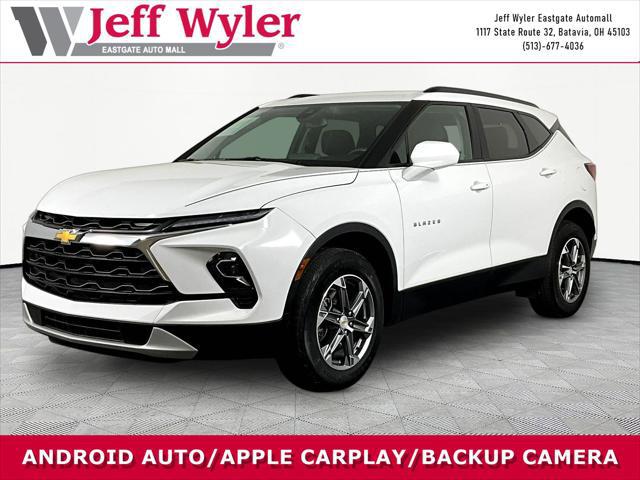
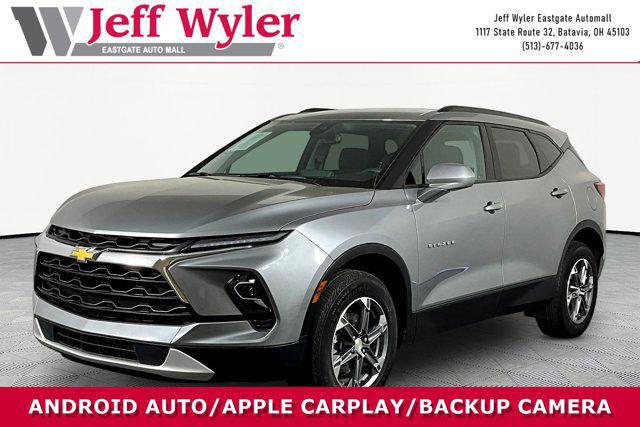
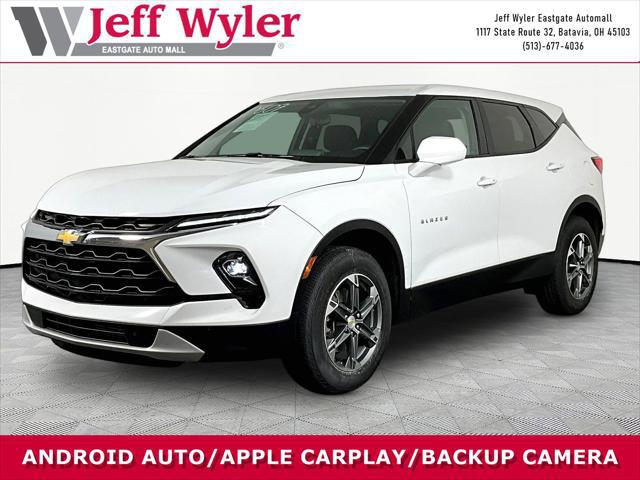
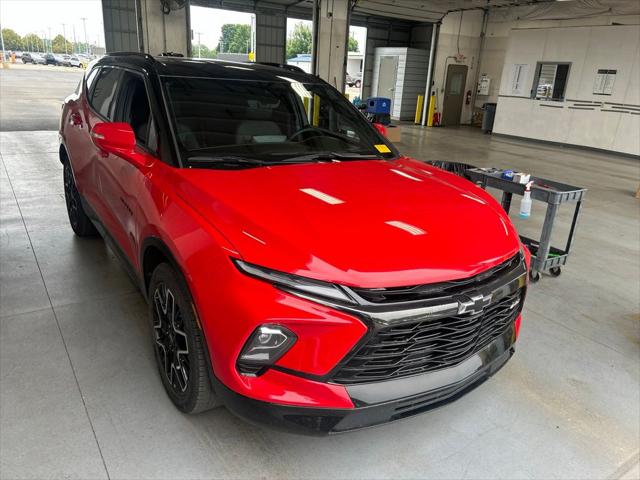
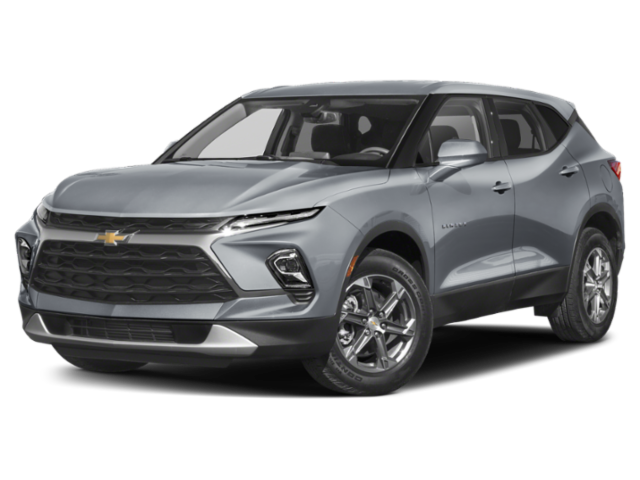
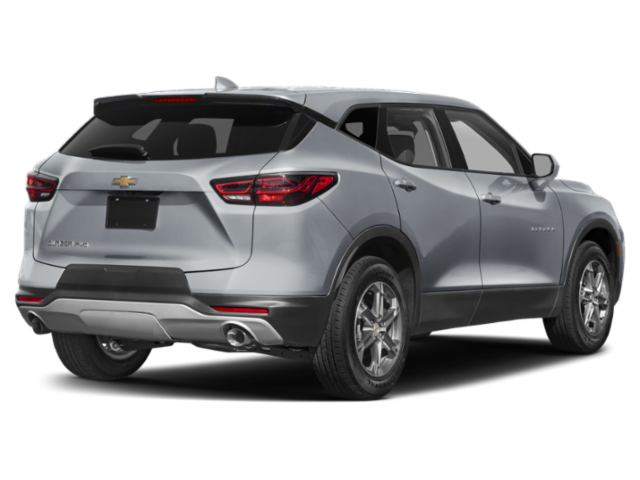
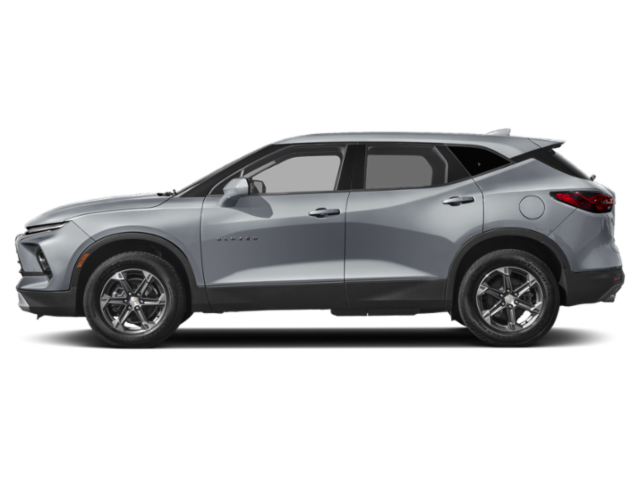
In 2023, Chevy restyled the Blazer's front end and gave it subtle updates to the rear, mainly in the form of new taillights. The result improves what was already a very stylish package that draws inspiration from the Camaro. The front looks more aggressive and gives the whole vehicle a wider stance. When lit, its ribbon-like taillight patterns are more distinctive.
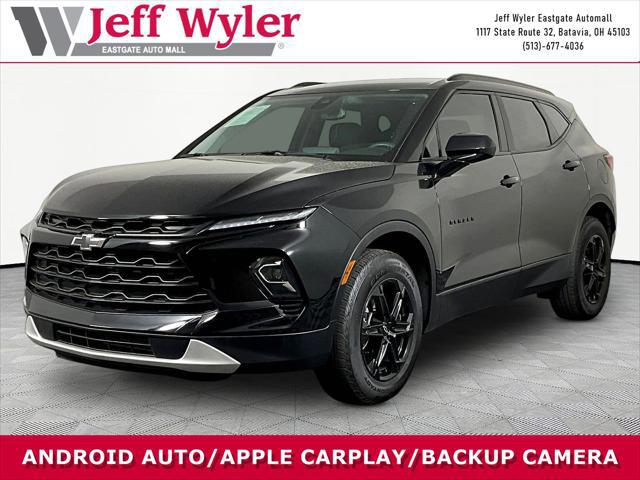
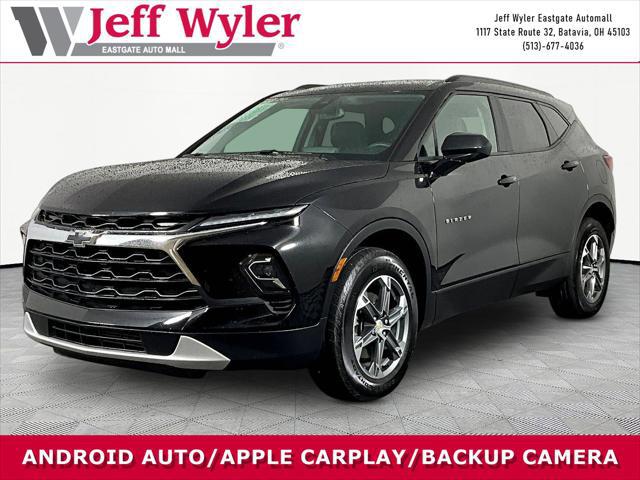
The only new color for 2024 is Riptide Blue Metallic, although it isn’t available on all trims. The 3LT tester was solid black, but the contrasting black roof option makes the bolder Blazer colors stand out. Blazer RS models offer blue or red accents and fabrics, and as in previous years, RS and Premier trims have nicer interior materials.
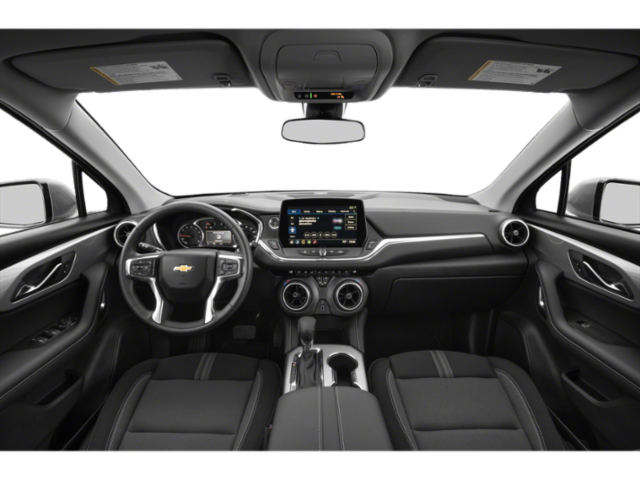
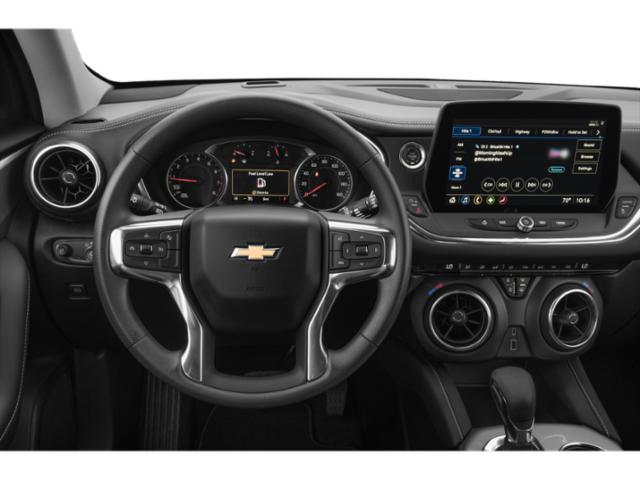
Inside, the new-for-2023 10.2-inch infotainment touchscreen, perched atop the dashboard, replaces the previous 8.0-inch unit. Chevrolet clearly did not want to redesign the whole dashboard, so the new screen’s left edge almost overlaps the stop/start button, but it does look more impressive than what came before.

Photo: Alex Kwanten
Although the Blazer has not yet received Google Built-in as on the larger Suburban and Tahoe, the big new screen runs “Chevrolet Infotainment 3,” the latest version of the automaker’s native software.
As in previous iterations, the Blazer’s system is simple to use, without mountains of menus to learn. The graphics are crisper and more contemporary than before but have the same basic, easy-to-register design. Unlike my experience in 2019, the new system is a smooth and lag-free operator.
Despite not being Google native, Blazer owners can still access the Google Play store and download apps to expand the system, though it requires a data subscription. There’s a standard Wi-Fi hotspot that also requires such a plan. Wireless Android Auto and Apple CarPlay are standard and reliably remain connected and functional. Also included is Amazon Alexa, offering services similar to those of Google Built-in.
There are also lots of redundant controls. You can adjust the HVAC settings via the screen, but as in previous years, the Blazer’s huge central vent housings also control its temperature settings. It might take a day to adapt to the vent controls, but they’re so big and easy to use that you never have to look away from the road while operating them, which is ideal.
Chevrolet has wisely retained all of the Blazer’s ergonomically friendly physical controls. In their zeal to put everything on pretty but feedback-free screens, some rival SUVs’ systems aren’t as easy to use. Some offer more features like cutting-edge digital assistants, but here again, Alexa integration further enhances the capabilities of the Chevrolet Infotainment 3 system.

Photo: Alex Kwanten
All Blazers are comfy machines in both rows, and the big rear doors make loading kids easy, but not all of its interiors are exceptionally plush. In 2019, we sampled the top-trim Blazer Premier, with its Maple Sugar leather upholstery, and found that some of its plastics looked and felt cheap. At that time, many of the Blazer’s best features were exclusive to the top trims.
But most consumers don’t buy top-of-the-line trims, and despite the democratization of equipment throughout the lineup, the low-trim Blazers still feel very basic. Some gear that’s now standard on less expensive competitors still costs extra here.
While the 3LT at least gets leather-appointed seats, most of its interior plastics seem cheap. They don’t feel like they belong in a $44,000 vehicle, and both the 3LT and the base 2LT interiors have so much black trim that they look like a Goth club. Blazer RS and Premier trims get better dashboard fittings and more colors, which makes a real difference. Of course, they also cost more.
Adaptive cruise control costs at least $1,225 extra, even though it’s standard on competitors like the Hyundai Santa Fe, Kia Sorento, and Toyota Highlander. Those competitors also offer many other driver-assistance systems that aren’t available on the Blazer.

Photo: Alex Kwanten
Those taut, angular lines suggest speed, but while the Blazer is reasonably fun to drive, it isn’t all that quick. In the V6-powered models, zero-to-60 mph takes roughly 6.6 seconds, according to my stopwatch. That’s quick for its class but not Camaro-like hustle.
It does feel poised on the pavement though, particularly in the RS trim with its different suspension tuning. As supple as the suspension is, it’s aided by soft springs, and the Blazer rides smoothly and quietly. There isn’t much body roll, and while it feels visually large from behind the wheel, it has lithe cornering moves. However, you wouldn’t want to take it very far off the blacktop, as it just doesn’t have enough ground clearance.
Blazers equipped with a V6 can tow up to 4,500 pounds, which is decent but a little off the 5,000-pound norm of most direct competitors.
The Blazer’s automatic engine stop/start system is discreet, and you can easily turn it off with the touch of a button. Unfortunately, there’s no hybrid version, and the appreciably less potent four-cylinder model doesn’t seem worthy of consideration unless it’s very cheap.
In roughly 10 days and several hundred miles of driving between the two Blazers on my familiar testing roads, the RS returned about 22 mpg, just above the EPA-estimated 21 mpg combined average. The 3LT came in at 20.9 mpg, just under the EPA’s number.
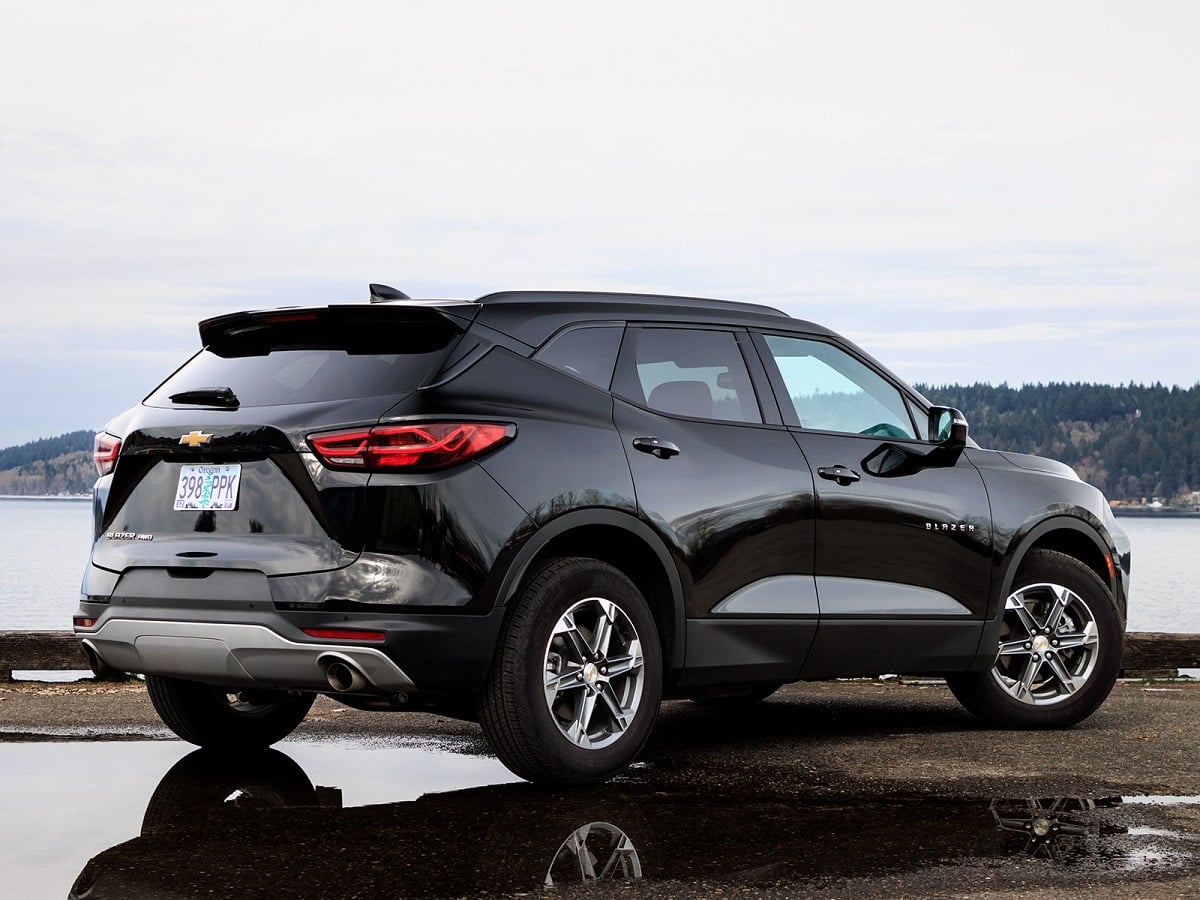
Photo: Alex Kwanten
It may not be a BMW X5 M, but the Blazer is fun to drive and offers a meaningful compromise in size between Chevy’s smaller Equinox and larger, three-row Traverse. It also has plenty of style in a segment where many entries skew toward the bland. Customers do seem to like the recipe, but it feels dated.
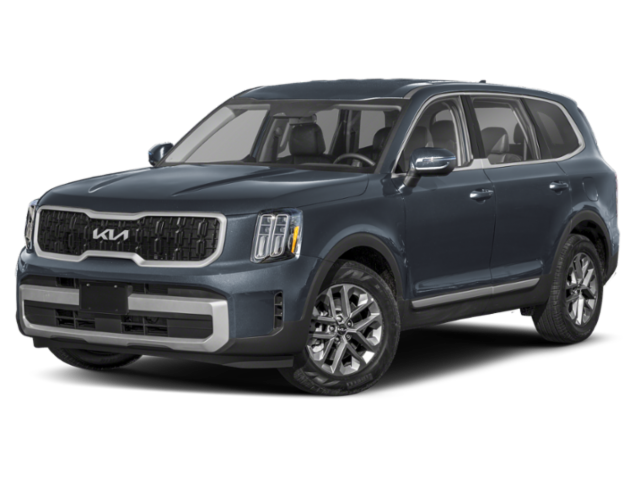
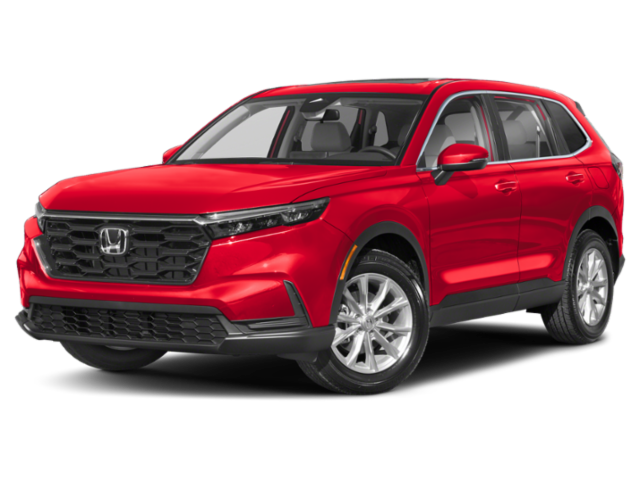
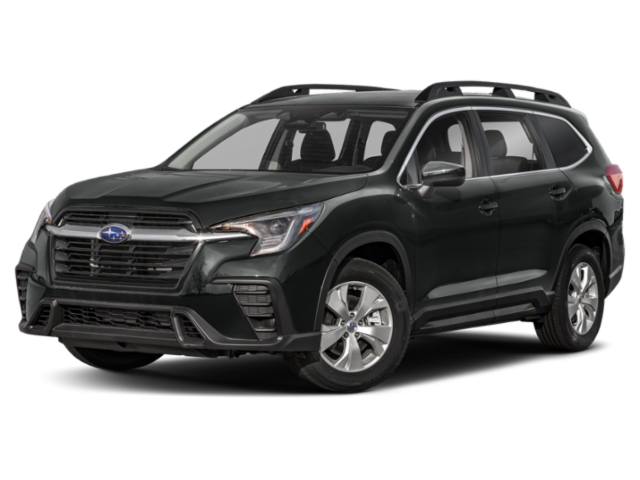
The Blazer’s prices pit it directly against rivals like the recently updated Kia Sorento and a gaggle of desirable midsize three-rows, including the Mazda CX-90, Honda Pilot, Kia Telluride, and Subaru Ascent. The Blazer rates well with owners, matches or bests many of these in on-road performance, and offers competitive cargo and passenger room.
However, it has some catching up to do compared to some of these other newer and fancier alternatives. Many offer more in terms of standard driver-assistance gear, off-road ability, and cargo room. They also often sport more upmarket-feeling cabins.
Alex Kwanten has worked in automotive media for 15 years and reported on buying, selling, and servicing cars for many outlets, including Automotive News, Forbes, and Hagerty Media. His calling is helping to make car buying less intimidating for ordinary folks, but he also loves telling the stories of the people and cultural forces behind new and classic vehicles. A lifelong automotive enthusiast, he’s owned scores of cars from more than a dozen countries.